
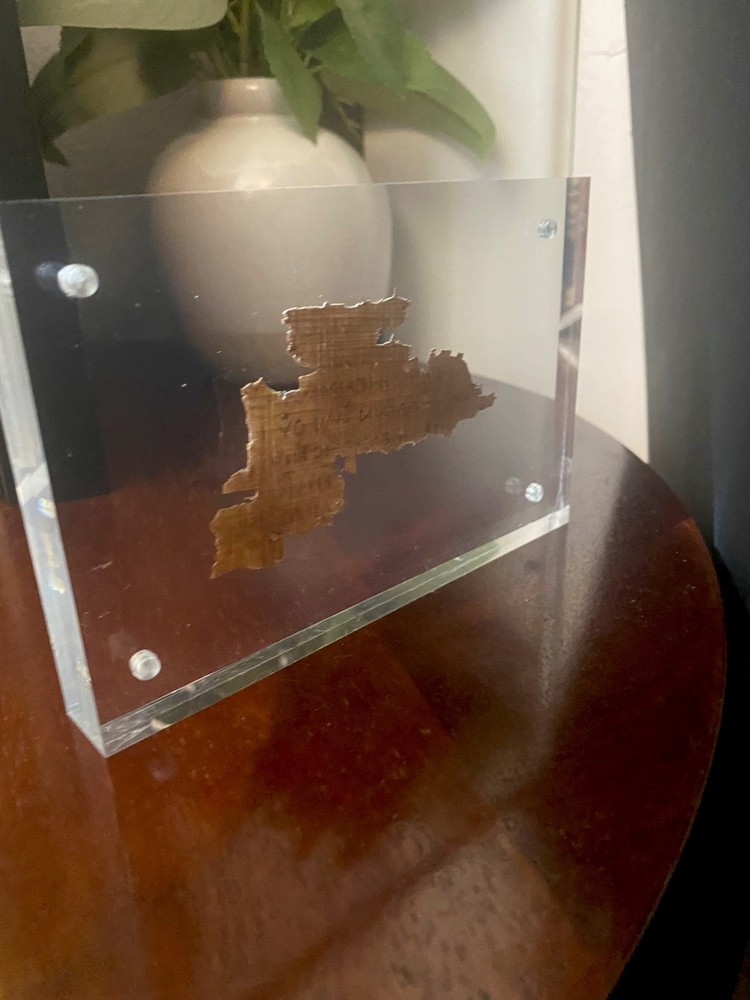
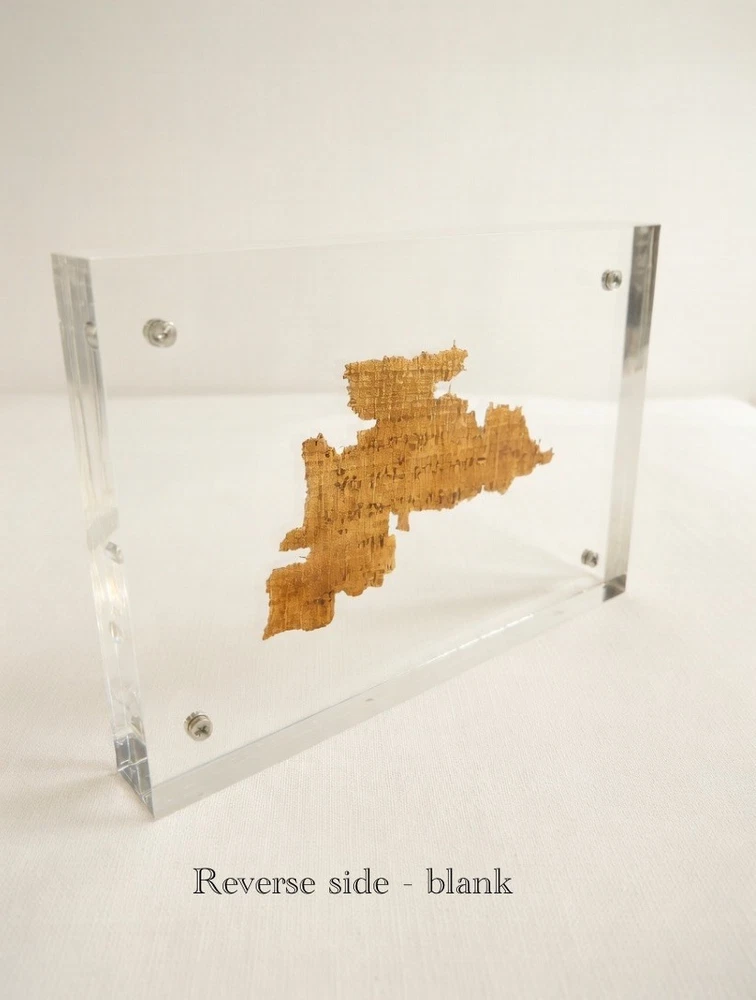
4Q120 Dead Sea Scrolls LXX Replica with Sacred Divine Name ΙΑΩ
$ 60.72
Description
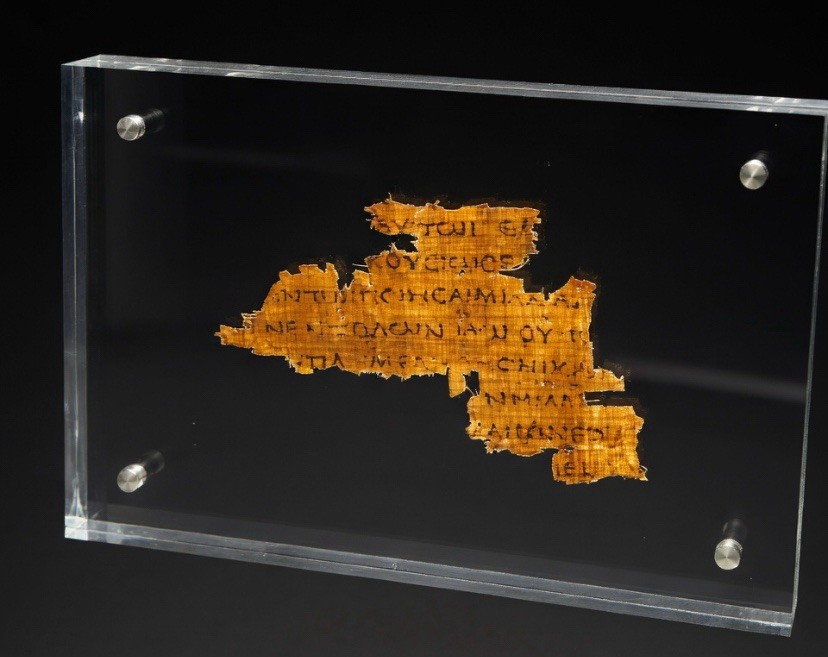
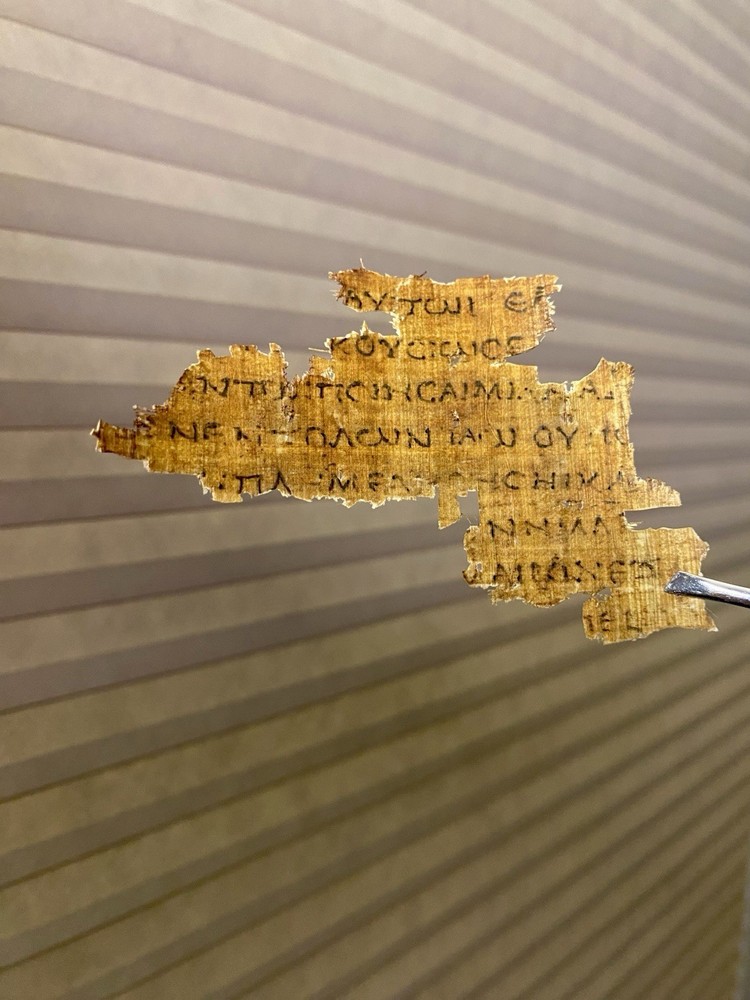
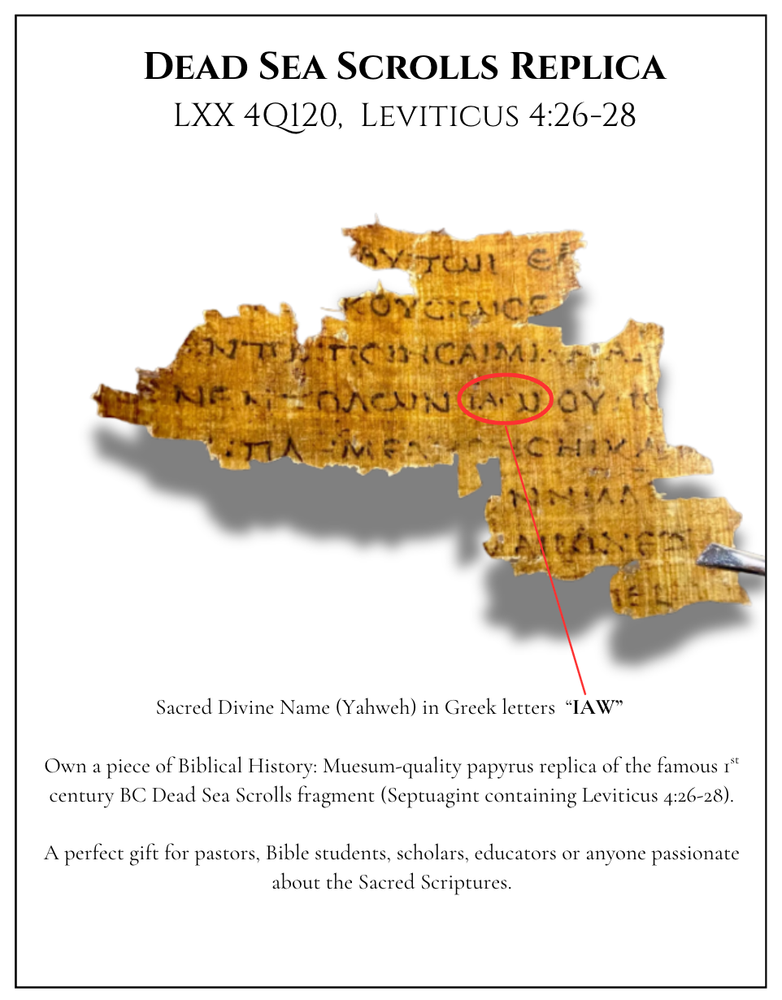
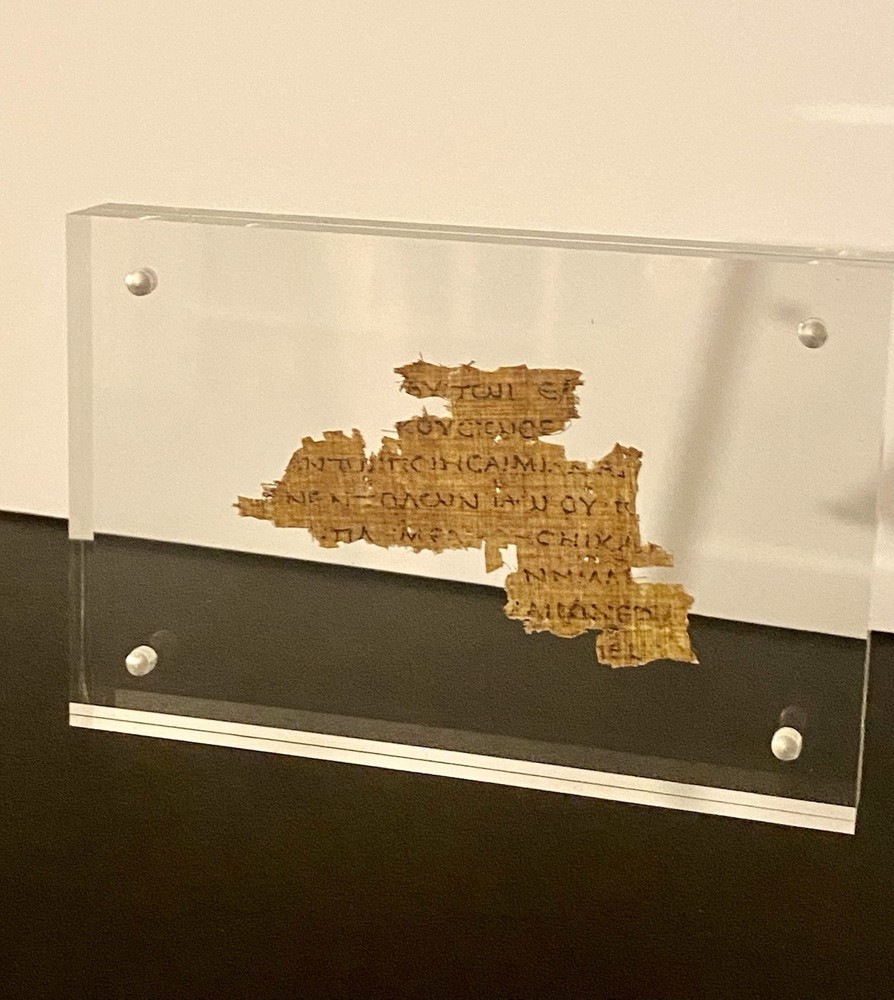
This stunning 1st-century BC Septuagint papyrus fragment (4Q120 / pap4QLXXLevb) comes from the famous Dead Sea Scrolls discovered in Qumran Cave 4. Dating to the Hasmonean period, it preserves portions of Leviticus 4:26–28 in ancient Koine Greek. What makes this manuscript truly extraordinary is its rare use of the divine name ΙΑΩ (Iaō) — a direct transliteration of the Tetragrammaton (YHWH) — instead of the later Christian standard "Κύριος" (Lord), this fragment is one of the most significant witnesses to the early transmission of the Greek Old Testament. - Date: 1st century BC - Material: Papyrus - Script: Uncial Greek (scriptio continua) - Significance: Rare preservation of the divine name ΙΑΩ in a Septuagint manuscript Own a piece of biblical textual history — one of the earliest surviving witnesses to how the Name of God was rendered in the Greek Bible. The replica is single-sided presentation, with the reverse side left blank What You Will Receive: 1 handcrafted papyrus replica of Dead Sea Scrolls 4Q120 Shipped securely in an elegant 6x8 black gift box and displayed in an4 x6 acrylic magnetic floating display. A thoughtful, meaningful gift for pastors, Bible students, scholars, theology professors, educators, manuscript collectors, or anyone passionate about the history and transmission of sacred scripture. Craftsmanship: Each replica is meticulously handcrafted through a reverent facsimile process that honors the historical, material, and scholarly significance of the original. The work begins with careful study of the surviving manuscripts, scholarly transcriptions, and paleographic features to ensure fidelity to the distinctive scribal character and textual form. The facsimile is executed on genuine Egyptian papyrus—the same material used in antiquity—selected for its fibrous structure, subtle translucency, and naturally irregular surface, faithfully preserving the tactile and visual character of ancient writing supports. The papyrus is carefully aged and cut to match the precise dimensions of the surviving fragments, maintaining their irregular shapes and scale. Lacunae, tears, worn areas, and other natural imperfections are deliberately reproduced under magnification to reflect the fragmentary condition of early manuscripts. When held to the light, the papyrus reveals its luminous fiber network, evoking the organic material presence that defined the original manuscript tradition. MODERN REPLICA ONLY: This is a modern artistic and educational replica — not an ancient original artifact.The papyrus piece sits lightly in the frame (not glued), so you can gently remove it for closer study or to place in a custom frame. Handle with care due to the delicate, intentionally aged edges — tweezers are recommended for safe repositioning.
Fascinating piece that was sent fast and in a nice presentation box.