
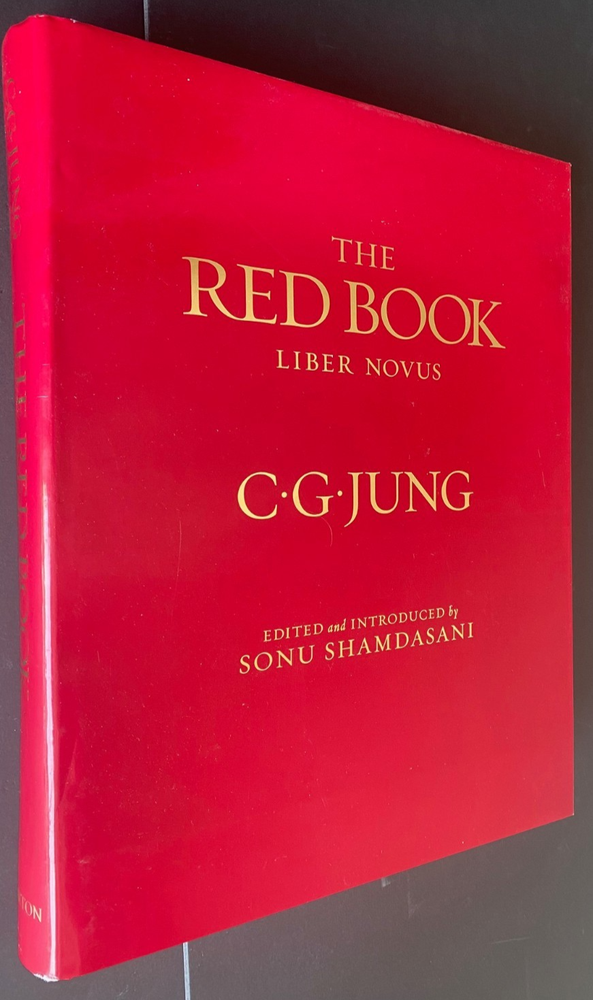
2009 1st *LIKE NEW* THE RED BOOK by JUNG, MONUMENTAL VOLUME, FREE EXPRESS W/WIDE
$ 123.81
Description
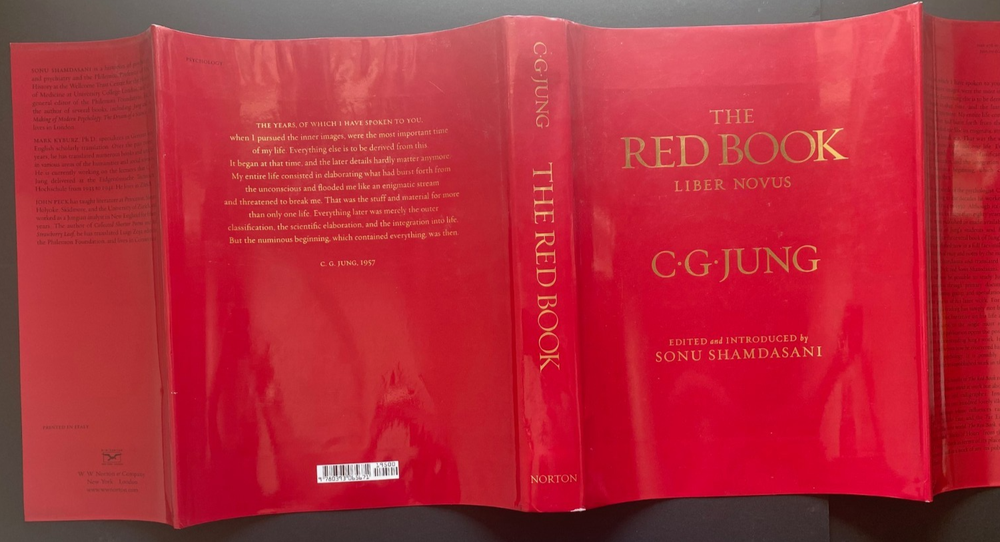
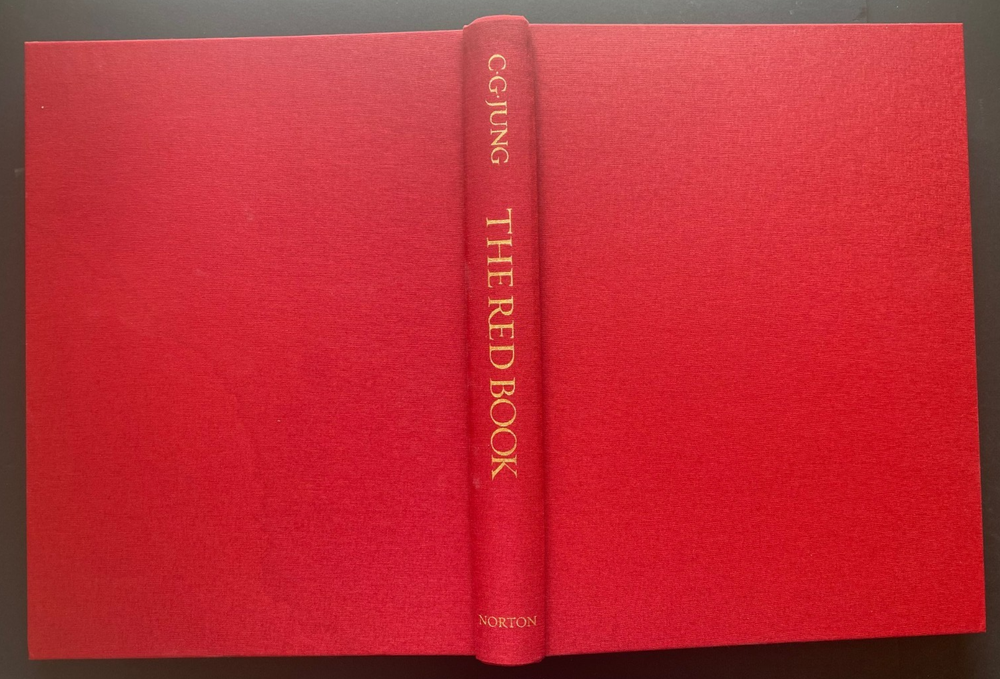
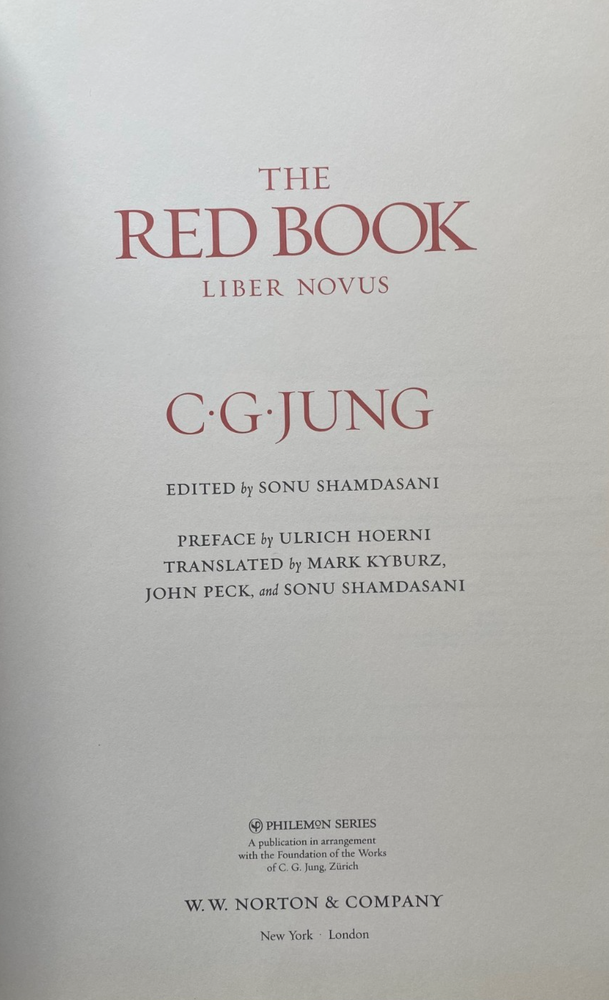
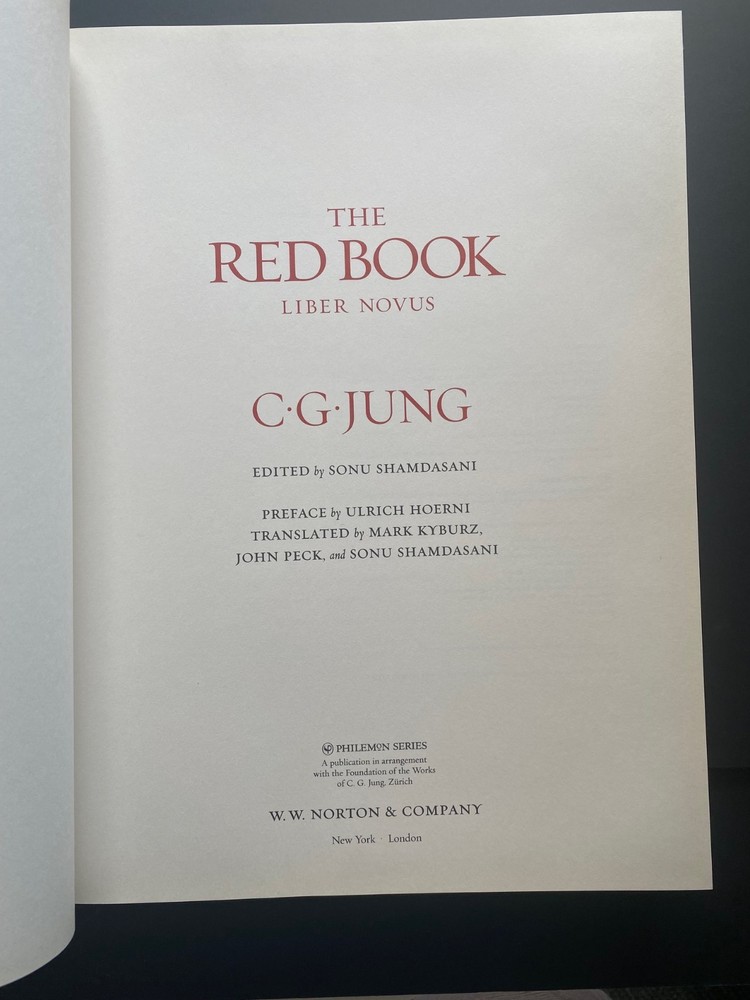
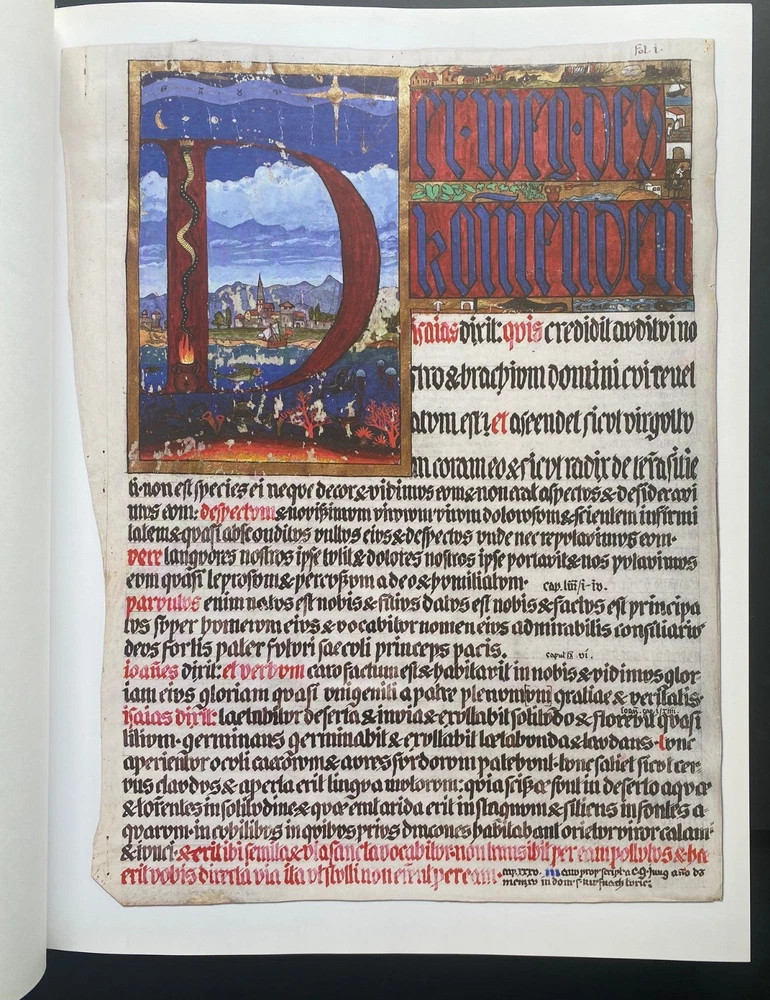
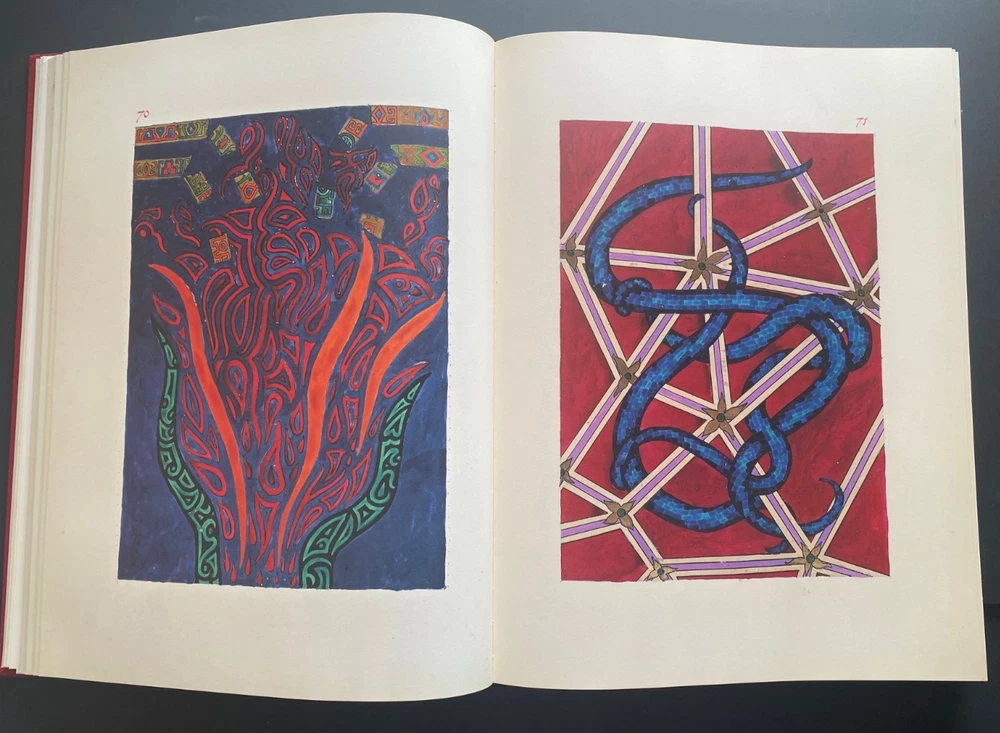
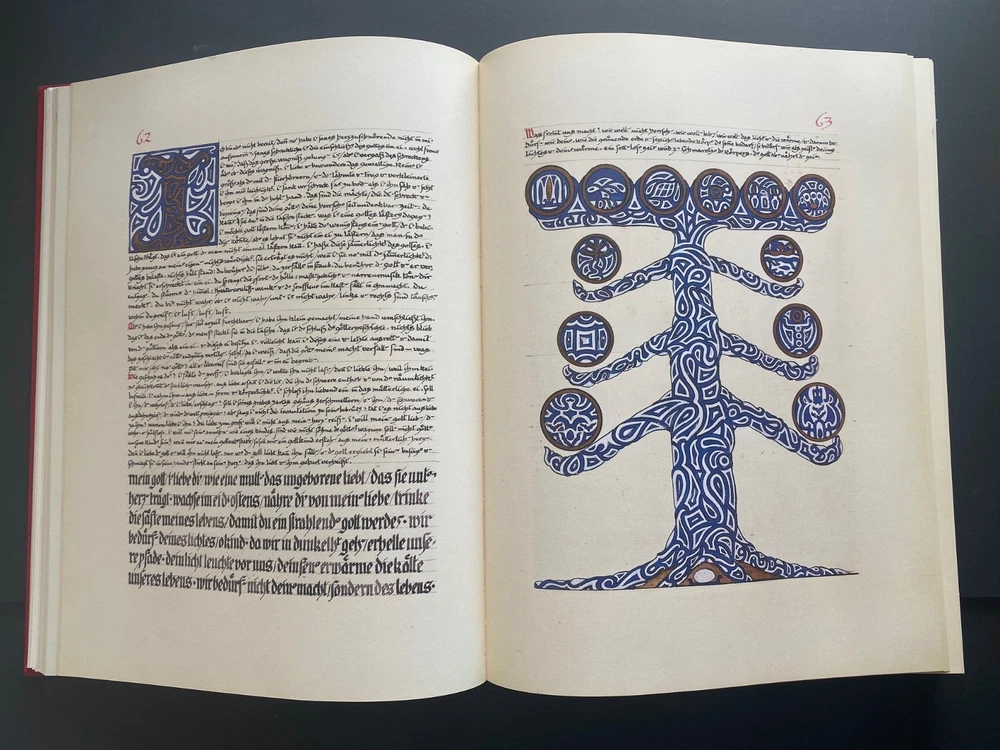
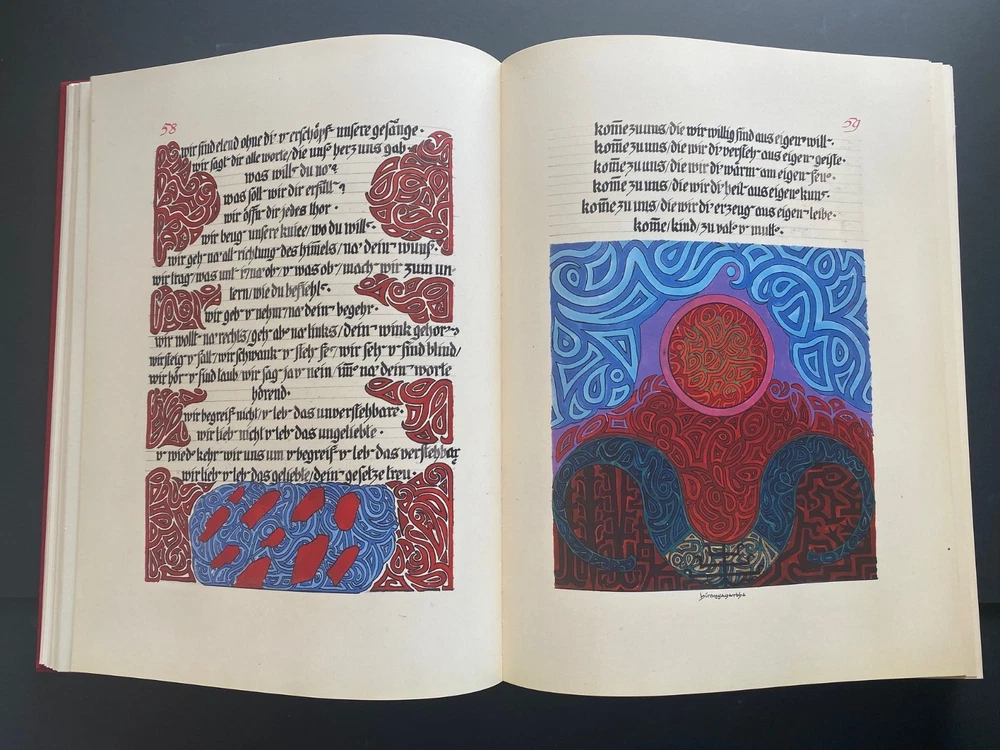
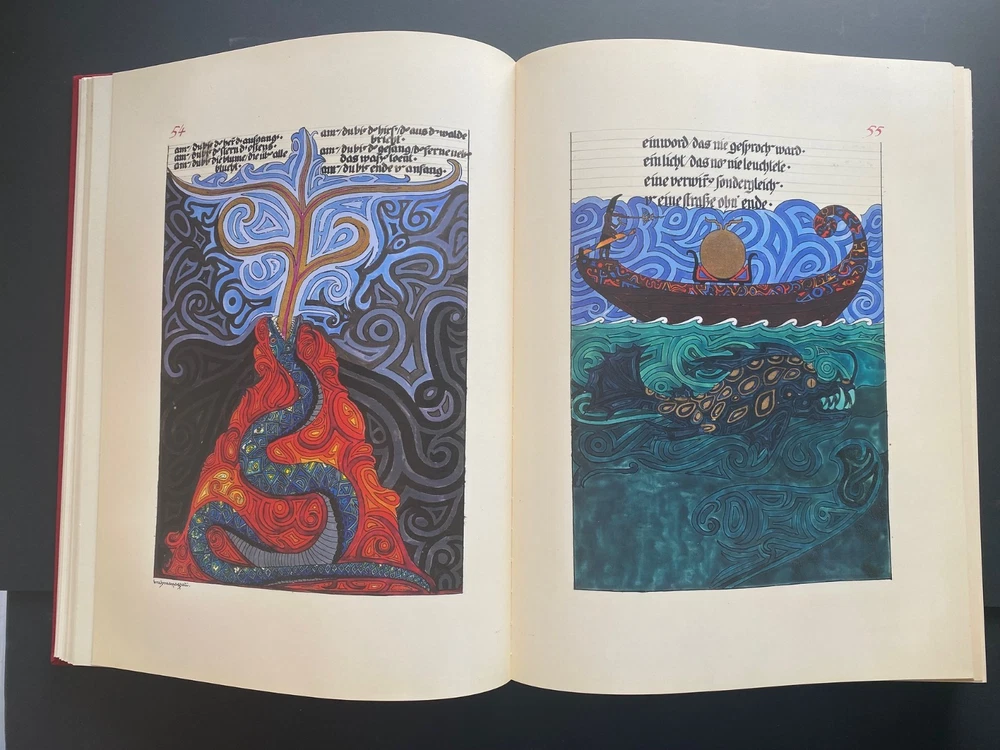
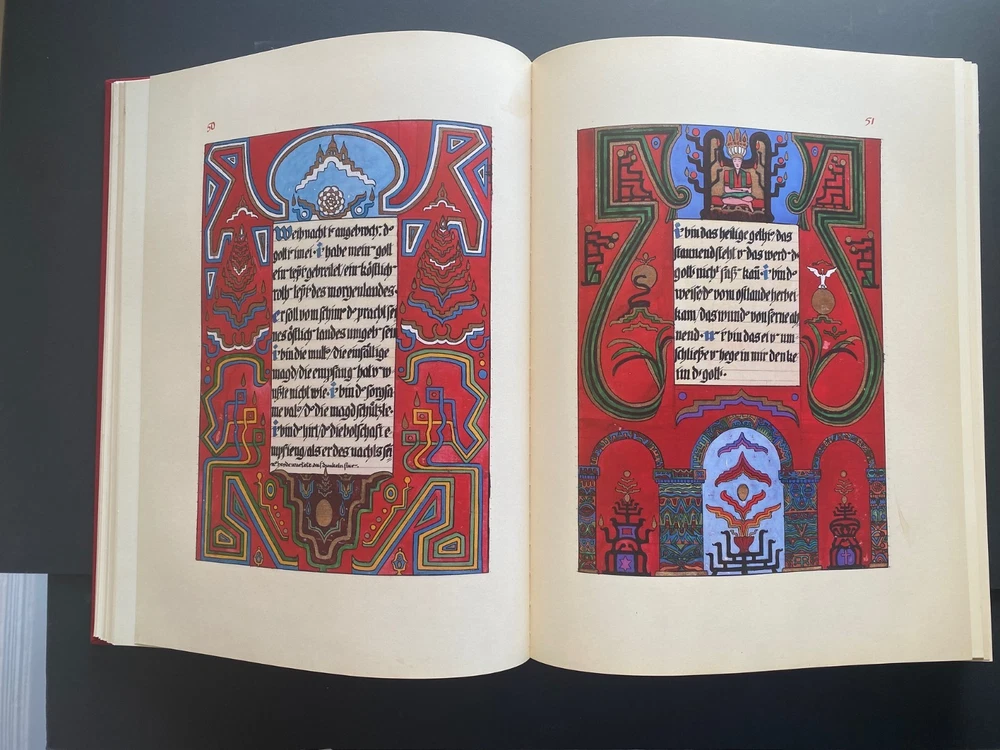
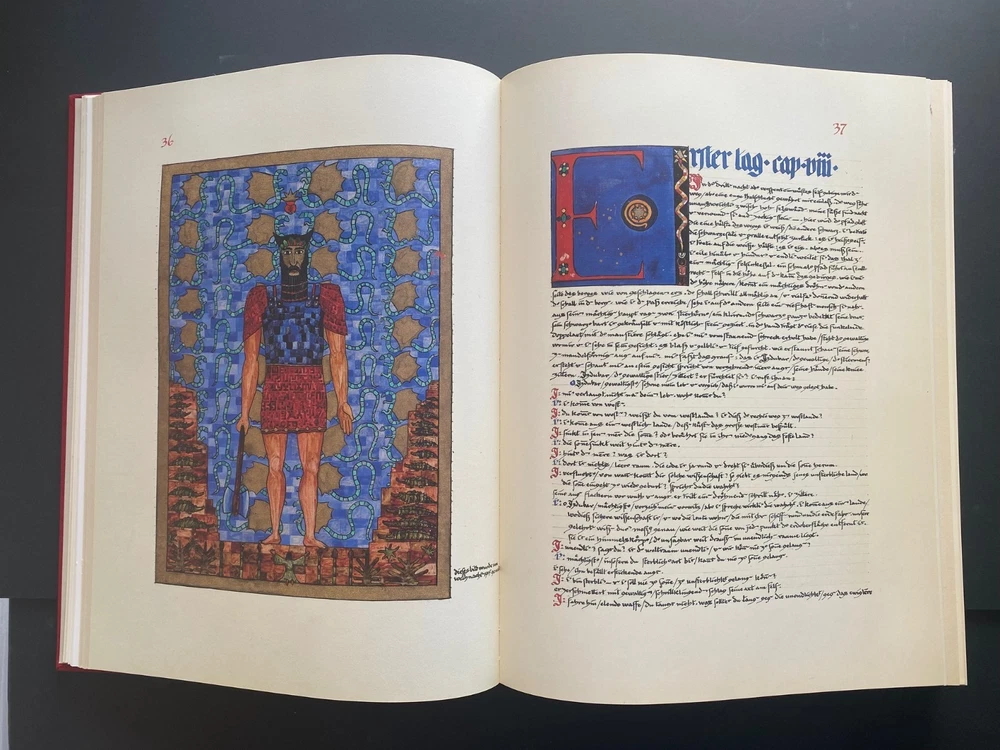
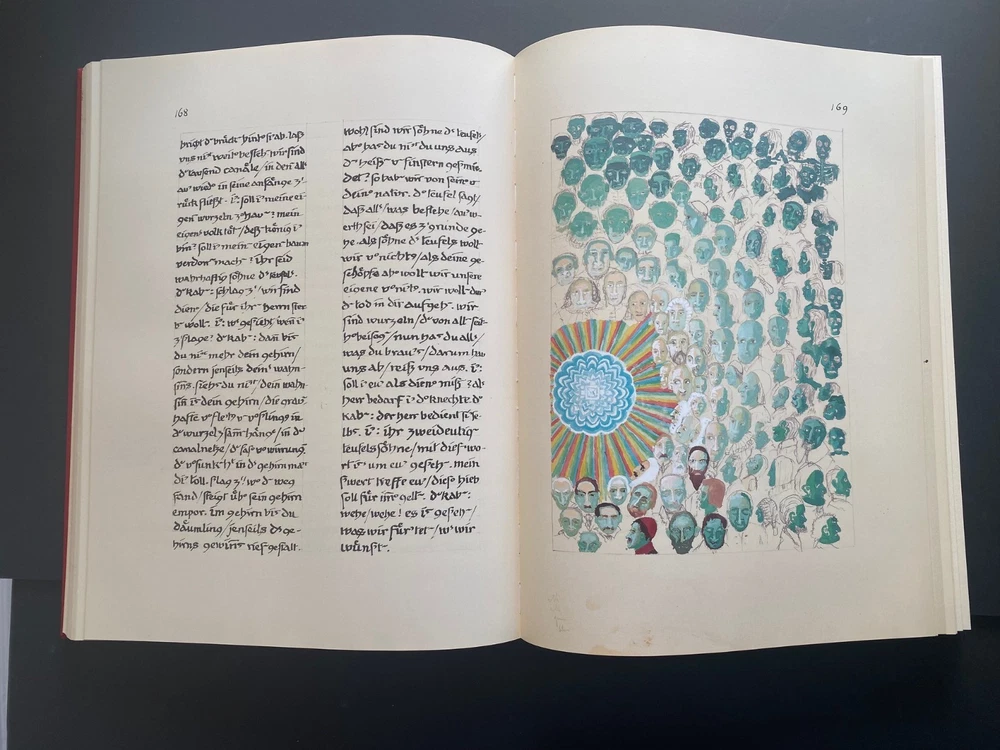
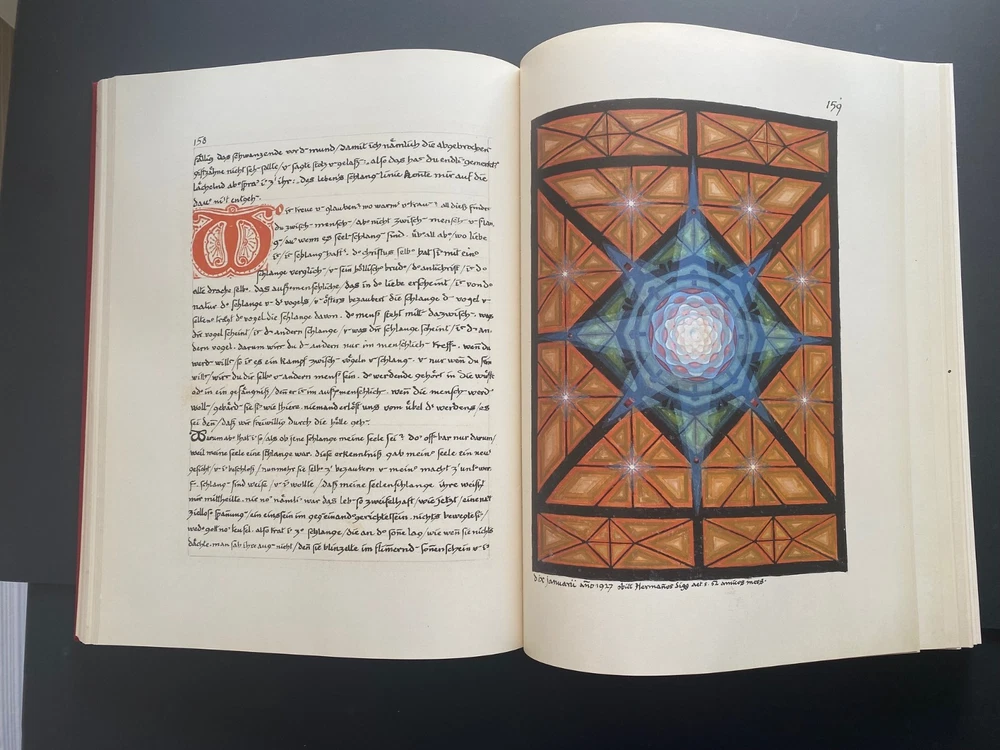
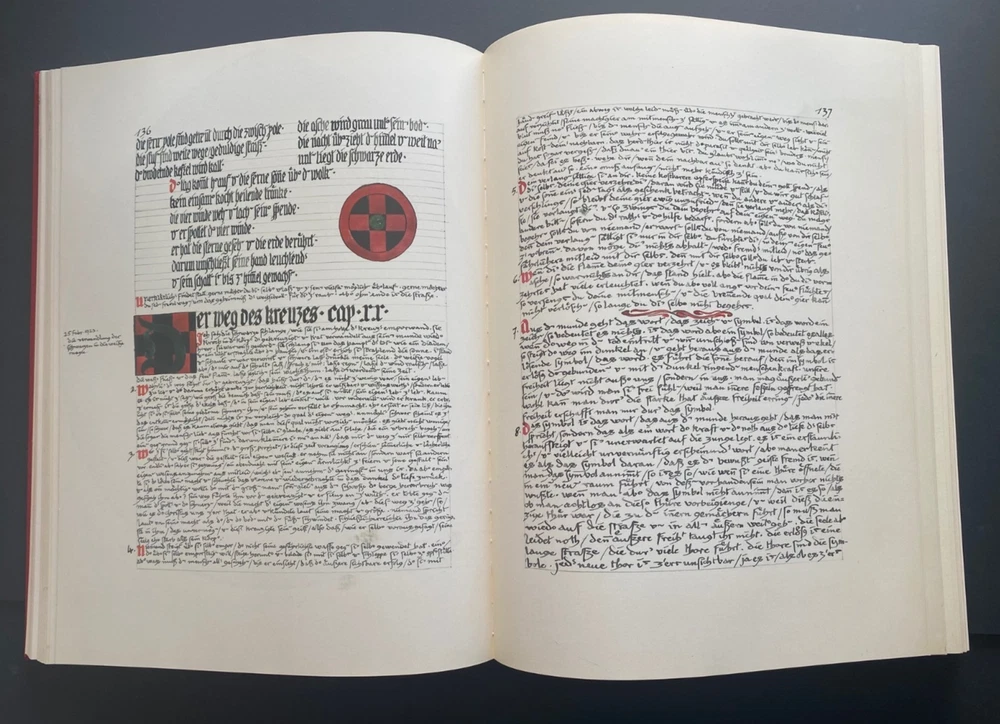
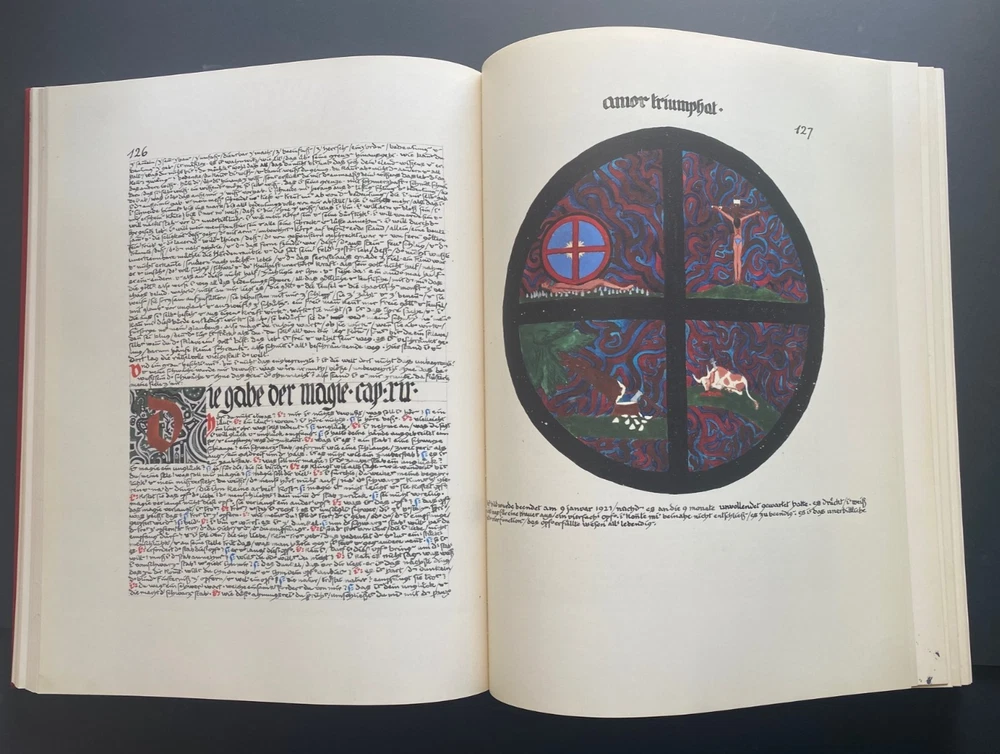
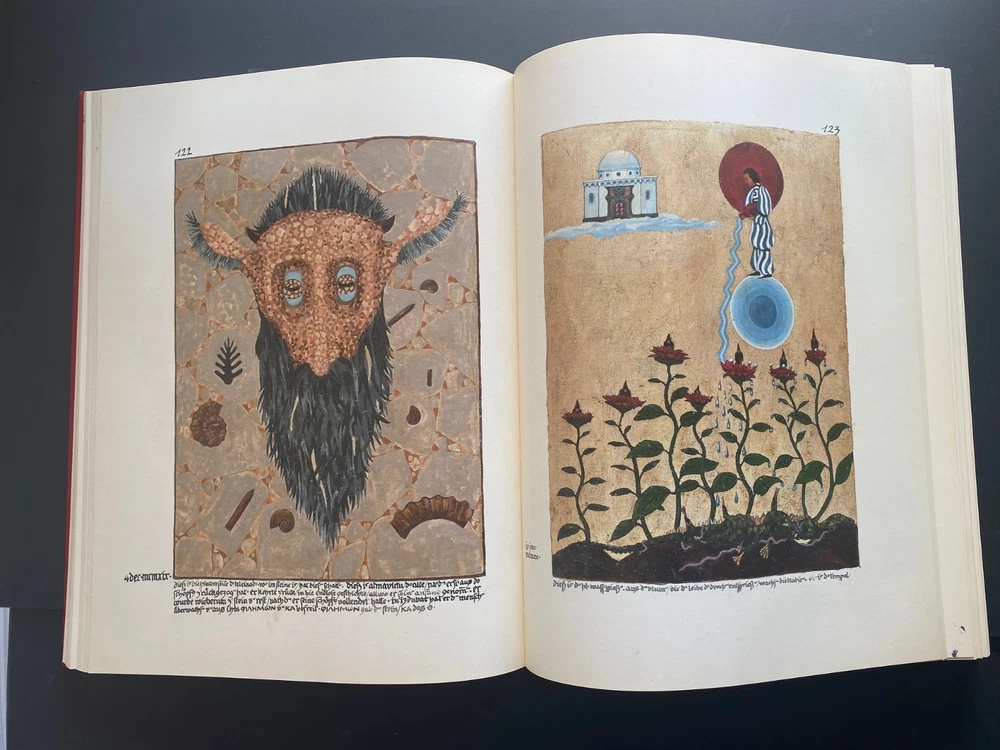
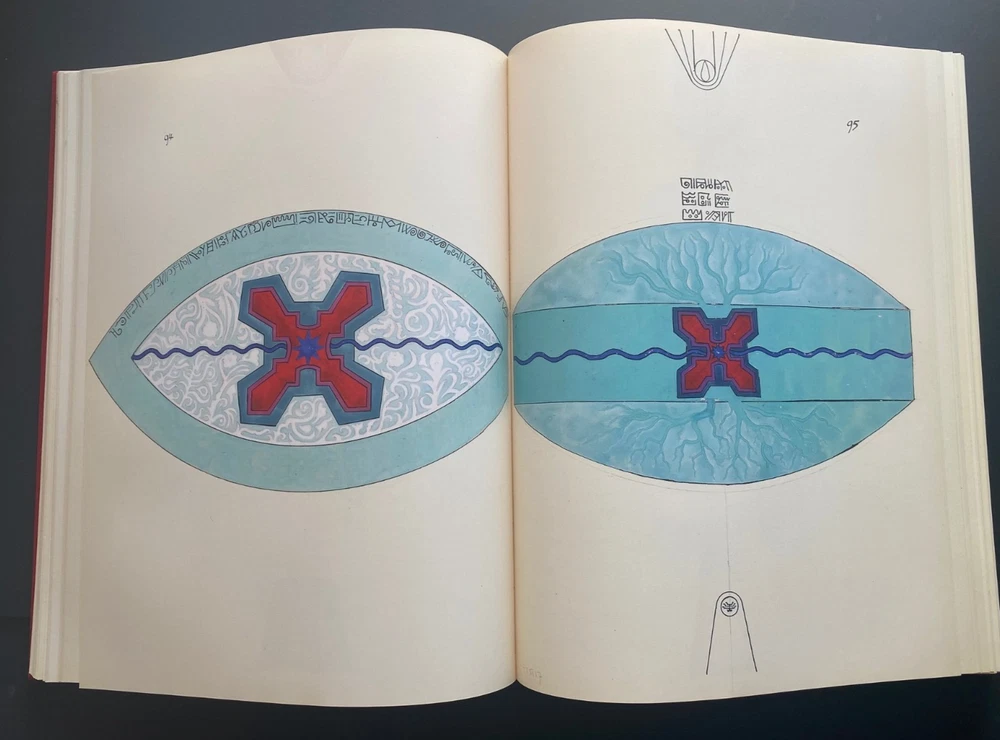
Express Shipping Worldwide is Free The Red Book By Carl Gustav Jung Paintings by Carl Gustav Jung Edited by Sonu Shamdasani Preface by Ulrich Hoerni Translated by Mark Kyburz, John Peck, and Sonu Shamdasani Published by W. W. Norton & Company, 2009 First Edition, with the dustjacket In Like New condition “The Red Book” (original title Liber Novus, Latin for “New Book”) is one of the most unusual and important works in the history of psychology. It is not a conventional psychology book, but rather a personal, visionary manuscript in which Jung documented an intense period of inner exploration between 1913 and about 1930. The book records Jung’s attempt to directly encounter and understand the unconscious mind through visions, dialogues with symbolic figures, and mythic imagery. Many of the central ideas later associated with analytical psychology—such as the collective unconscious, archetypes, individuation, and the shadow—emerged from the experiences described in this work. Historical Context In 1913, Jung underwent a profound psychological crisis. This occurred shortly after his break with Sigmund Freud, with whom he had previously been closely associated. During this time: Jung experienced vivid visions and dreams Europe was approaching World War I Jung feared he might be losing his sanity Rather than suppressing the experiences, Jung decided to systematically explore them. He recorded them in notebooks (called the Black Books) and later rewrote them in a large illuminated manuscript—the famous Red Book. The manuscript itself is handwritten calligraphy with elaborate paintings, resembling a medieval illuminated manuscript. Structure of the Book The Red Book has three major sections. 1. Liber Primus (First Book) Jung enters into the unconscious through deliberate imagination and encounters symbolic figures. Key themes: Descent into the unconscious Encountering inner figures Confronting the Shadow Psychological death and rebirth Jung describes conversations with figures such as: Elijah Salome A serpent Various symbolic beings These encounters represent psychological archetypes rather than literal persons. 2. Liber Secundus (Second Book) This is the largest and most philosophical section. Here Jung continues his inner dialogues and develops themes including: The conflict between rationality and the soul The danger of excessive intellectualism The necessity of accepting irrational elements of the psyche A major figure appears: Philemon Philemon becomes Jung’s inner teacher. Philemon represents: Wisdom Objective psyche The autonomy of the unconscious Jung later said Philemon convinced him that the unconscious has its own independent reality. 3. Scrutinies The final section contains Jung’s reflections on the experiences. Here he attempts to interpret: What the visions meant psychologically Their philosophical significance How they relate to myth, religion, and symbolism Central Psychological Concepts Although the Red Book is visionary and symbolic, it introduces ideas that later became foundational in Jungian psychology. 1. Encounter with the Unconscious Jung believed modern people were disconnected from their unconscious psyche. The Red Book demonstrates a method of reconnecting through: dreams fantasies symbolic imagination He called this process Active Imagination. 2. The Shadow The Shadow is the part of the psyche containing: rejected traits immoral impulses hidden aspects of personality Jung believed confronting the Shadow is necessary for psychological development. 3. Archetypes The visions in the book often take the form of universal symbolic characters. These are what Jung later called archetypes: Examples include: The Wise Old Man The Hero The Mother The Trickster Jung believed these arise from the collective unconscious, a deep layer shared by all humans. 4. Individuation The Red Book describes the process Jung later named individuation. This is the psychological process by which a person becomes a whole integrated individual. It involves: integrating unconscious aspects of the psyche balancing opposites developing the authentic self 5. Integration of Opposites A recurring theme is the tension between opposites: reason vs instinct good vs evil masculine vs feminine spirit vs matter Jung argued psychological health requires holding these opposites in balance rather than eliminating one side. Religious and Mythological Themes The Red Book draws heavily on: Christianity Gnosticism Greek mythology alchemy Eastern philosophy Jung believed myths and religions were symbolic expressions of psychological processes. The text often reads like a new myth of the modern psyche. In red cloth hardcovers, with titles in gilt to the spine, in 371 pages, with the dustjacket. The Dustjacket: There is no shelfwear. On one side of the inside of the dustjacket there has been a transference of colour from the cover. There is no foxing. There is no sunning to the spine. There are no tears, creases, or chips. The Book: There is no shelfwear. There is no foxing. There are no previous owners' names or inscriptions. All of the plates are fresh, bright and crisp - pristine. There are no missing, creased, loose, stained or damaged pages. It is complete and original. Measures 30cm x 39.5cm x 5cm and weighs a significant 4 kgs unpacked. EXPRESS SHIPPING AND HANDLING is Free Worldwide All items are securely and well packed. Thank you for viewing my item.
Item arrived in very good condition. Excellent communication . The Book was wrapped well and exactly as described. Item shipped quickly. Thank you for taking the time to answer my extra questions prior to shipping! Would be happy to purchase from this seller again!
Excellent seller. Incredibly fast express postage; very well packed and protected. Everything as described, and high value communications and item. Very grateful, and recommend to buyers highly! A+
Contact with David was great. The Photographs of Baldwin Spencer was very well packaged. The book arrived in perfect condition. I highly recommend this seller. Giorgio
Related products
1605 Geneva Bible, New Testament Original Leaves, Sold Individually
$ 26.621904 Rudyard Kipling TRAFFICS AND DISCOVERIES 1st Ed Doubleday Illustrated VTG
$ 63.34Folklore Myths and Legends of Britain 1973 Reader's Digest 1st Edition Good Cond
$ 84.531900, 1st, HARPER'S HISTORY OF THE WAR IN THE PHILIPPINES, MARRION WILCOX, FOLIO
$ 42.77